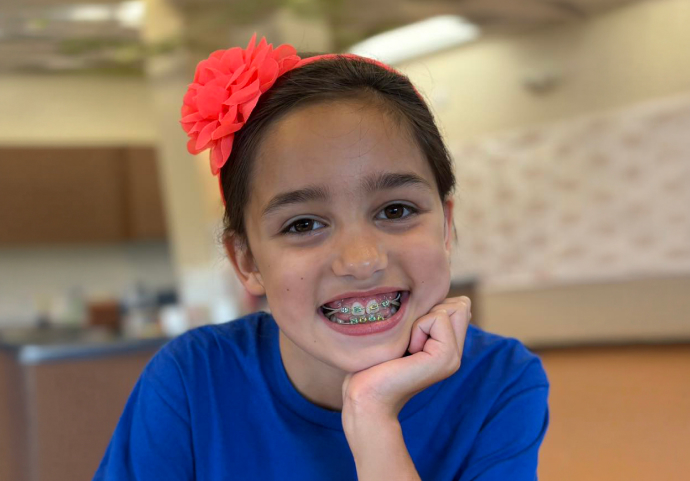
Innovative Early Orthodontic Treatment in Montgomery County
Early orthodontic treatment helps guide a child’s growth at the right time and can intervene before small issues turn into bigger ones. At Dr. McSurdy, Dr. Boyle & Team, we evaluate developing smiles and bites for families across Montgomery County, at our Collegeville and Gilbertsville. We’re the only practice in Montgomery County that uses painless and key-less Invisalign® Palatal Expanders!
With decades of orthodontic experience, digital scanning, and kid-friendly options, our team focuses on creating space for incoming teeth, improving bite function, and building confidence early.
If your child is approaching age 7 or beyond, get started with a complimentary smile analysis today.
What Is Early Orthodontic Treatment?
Early orthodontic treatment (often called Phase 1 orthodontics) is care designed for children who still have a mix of baby teeth and permanent teeth. During this fundamental phase, an orthodontist can use gentle appliances to guide jaw growth, improve how the teeth fit together, and make room for the teeth that are on the way. Treatment might include palatal expanders, traditional braces, or clear aligners, based on what your child’s growth pattern and bite need.
Benefits of Early Orthodontic Treatment
Early treatment isn’t about rushing your child into braces. When appropriate, early orthodontic treatment has many benefits for children.
Make Space for Permanent Teeth
When the jaw is narrow or the teeth are crowded, permanent teeth can get blocked or erupt unfavorably. Early treatment can widen the upper arch and create room so incoming teeth have a better path to follow. That often reduces crowding and helps guide a healthier eruption pattern.
Improve Bite and Jaw Development
Bite issues like crossbites and overbites/underbites can place extra strain on teeth and jaw joints as a child grows. By correcting the relationship between the upper and lower jaw early, Phase 1 orthodontics supports a more balanced bite and can help reduce the risk of uneven wear on the teeth.
Reduce the Need for More Complex Treatment
Some kids will still need Phase 2 treatment as teens, but early care can make that next step simpler. By addressing growth and space concerns early, we can often shorten future treatment time and lower the chance of needing more invasive solutions such as extractions or retrieval of impacted teeth.
Who Is a Good Candidate for Early Orthodontic Treatment?
Early orthodontic treatment is often helpful for children in the mixed-dentition stage (typically around ages 6–10). It may be recommended when there’s crowding, a narrow upper jaw, crossbite, underbite, significant overbite, or teeth that are malpositioned. Your pediatric dentist may have recommended that your child see an orthodontist, but if not, you do not need a referral to see an orthodontist.
The best way to know what your child needs is an orthodontic evaluation. Our team uses a thorough exam, photos, and digital scanning to explain what we’re seeing, what can wait, and what should be addressed now.
Types of Early Orthodontic Treatment We Offer
Every child’s growth pattern is different, which is why we evaluate every child as an individual case. We’ll never recommend early treatment unless we believe it’s absolutely necessary for your child.
Invisalign Palatal Expanders
Palatal expansion gently widens the upper jaw to create space and improve how the back teeth fit together. For many kids, this helps correct crossbites and supports healthier development as their adult teeth emerge. Dr. McSurdy, Dr. Boyle & Team proudly offers Press-On Incremental Expanders (P.I.E.) by Invisalign, designed for comfort and a kid-friendly experience.
These expanders were invented by Dr. David McSurdy and were modified and developed by Align Technology. Invisalign began producing the Invisalign Palatal Expanders in June of 2024, but our practice has 20+ years of experience utilizing this comfortable expander appliance in hundreds of cases. It is the most parent and kid-friendly expander available as there is no key needed to turn and activate the expander!
Traditional Braces
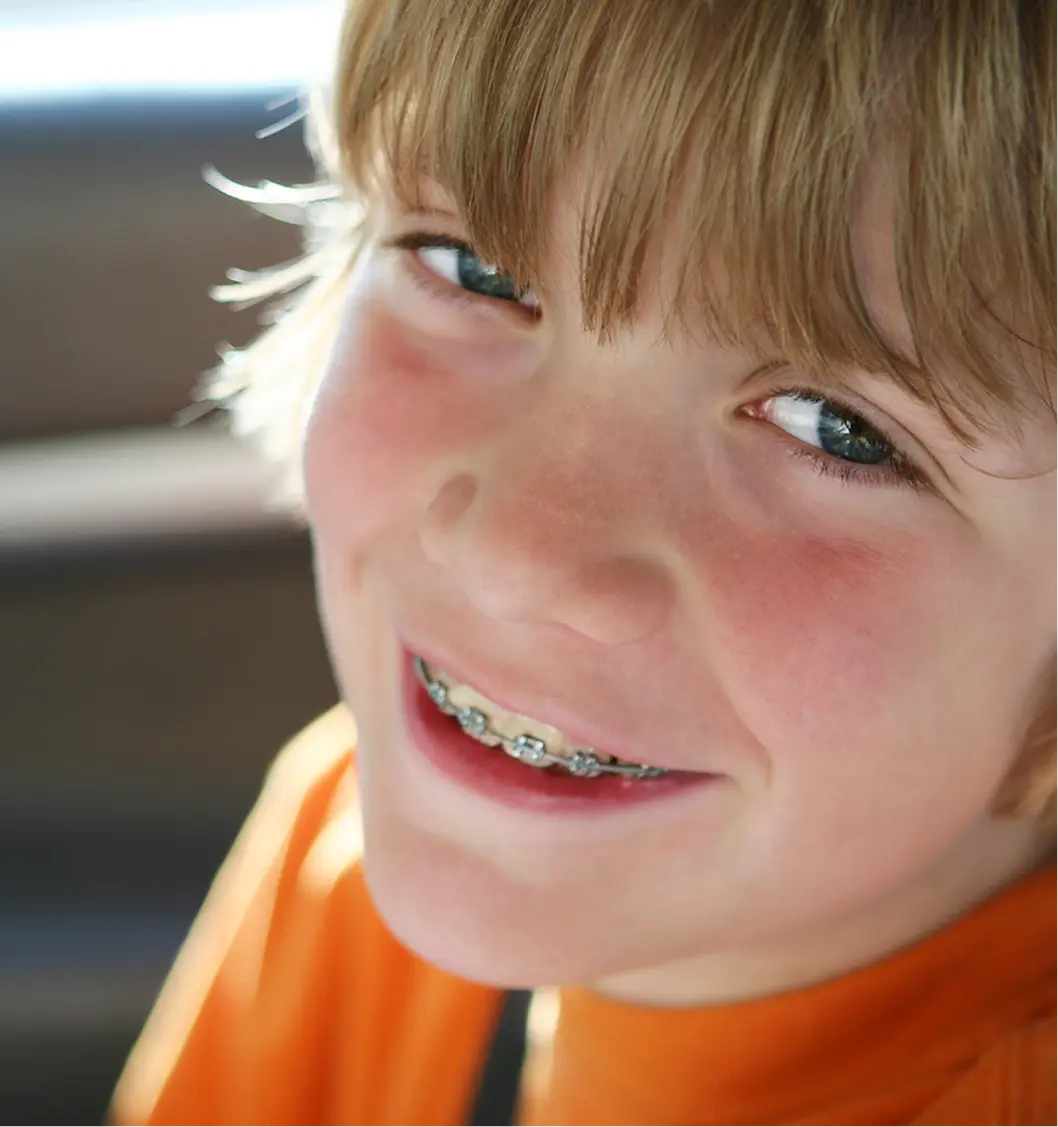
Traditional braces remain a great option for most orthodontic cases, including for early treatment. Kids are generally very receptive to braces, especially when they get to pick out their favorite colors! Plus, since kids’ teeth and jaws are still developing, braces treatment is generally highly effective for children.
When Early Orthodontic Treatment Isn’t Necessary
Not every child needs Phase 1 treatment. In many cases, the best plan is to monitor growth and tooth eruption with periodic check-ins. If your child’s bite and spacing are developing well, we may recommend observation until the teen years, when full braces or clear aligners become the more effective option.
The Early Orthodontic Treatment Process
We keep the early treatment process simple and parent-friendly, with clear explanations at each step.
We start with a complimentary evaluation to understand how your child’s teeth and jaw are developing. You’ll get a straightforward breakdown of what we see, what it means, and whether early treatment is recommended.
If treatment is needed, we take digital scans and photos to plan accurately and comfortably. This helps us choose the right appliance and map out the expected changes in your child’s smile development.
We’ll place your child’s palatal expander, traditional braces, or clear aligners and show you exactly how to care for the appliance at home. Our team makes sure your child knows what to expect and feels confident.
You’ll visit us for short check-ins to keep treatment on track. We monitor tooth movement, bite changes, and growth at each appointment, making small adjustments when needed.
When Phase 1 wraps up, we’ll discuss our plans for orthodontic retention and we will be monitoring your child’s growth and development every 6 to 9 months until all of the permanent teeth erupt. Once all of the adult teeth have erupted we will discuss what treatment will be needed for Phase 2. We prioritize transparency and clear communication, meaning you’ll always know what’s coming and why.
See What Parents Are Saying About Their Child’s Smile Journey
Families across Montgomery County are sharing their positive experiences with Dr. McSurdy, Dr. Boyle & Team. See why parents trust our team for early orthodontic guidance!
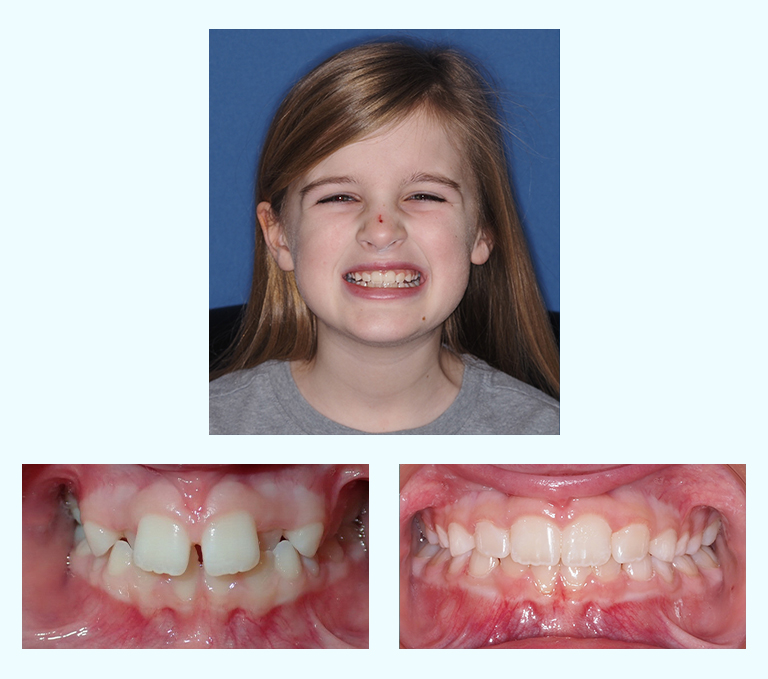
Check Out These Amazing Early Orthodontic Treatment Results
We’re proud to highlight before-and-after photos from kids who went through early treatment at Dr. McSurdy, Dr. Boyle & Team!
Start Your Child’s Early Orthodontic Treatment With a Clear Plan
Early orthodontic treatment is a smart way to support healthy growth and prevent avoidable, costly problems later. At At Dr. McSurdy, Dr. Boyle & Team, you’ll get honest guidance, modern treatment options, and a team that makes kids feel comfortable from day one. If you’re wondering whether your child should be evaluated, we’re ready to help.
Schedule your child’s complimentary consultation today to get started on a smile that will last a lifetime!
Frequently Asked Questions About Early Orthodontic Treatment
Many orthodontic organizations (like the American Association of Orthodontists) recommend an initial evaluation around age 7. That doesn’t mean every child needs treatment at 7, but it means your orthodontist can spot growth or bite issues early.
The timing of early orthodontic treatment depends on the appliance being used and the problem being corrected, and many early treatment plans last several months to about a year. After that, many children move into a monitoring phase while their adult teeth continue to erupt. We like to ensure patients have a 1.5-2 year break in between phases so kids don’t get burned out or feel they spent their whole childhood in braces.
Most kids describe pressure at the beginning rather than pain. Your child may feel tightness for a day or two as the mouth adjusts. The Invisalign palatal expanders our team uses are consistently rated more comfortable and easier to wear than traditional expanders.
Yes. Narrow arches and crossbites are common reasons we recommend early treatment, and expansion and growth guidance can be more effective while a child is still developing. Creating space early can also help permanent teeth come in with fewer alignment problems.